a hobby farm owner, mother, freelancer and online tack shop owner during COVID-19
6:00 AM My 4-year-old son sneaks into the room and enthusiastically tackles and hugs his dad. I get punched in the face in the process. We go downstairs to let hubby sleep and hope that my son doesn’t wake up his sister on the way down. Throw a bowl of cereal together for him and start the coffee.
6:27 AM Clean up the mess of cereal just as my 2-year-old daughter wakes up. Rush upstairs to get her before she wakes up my hubby.
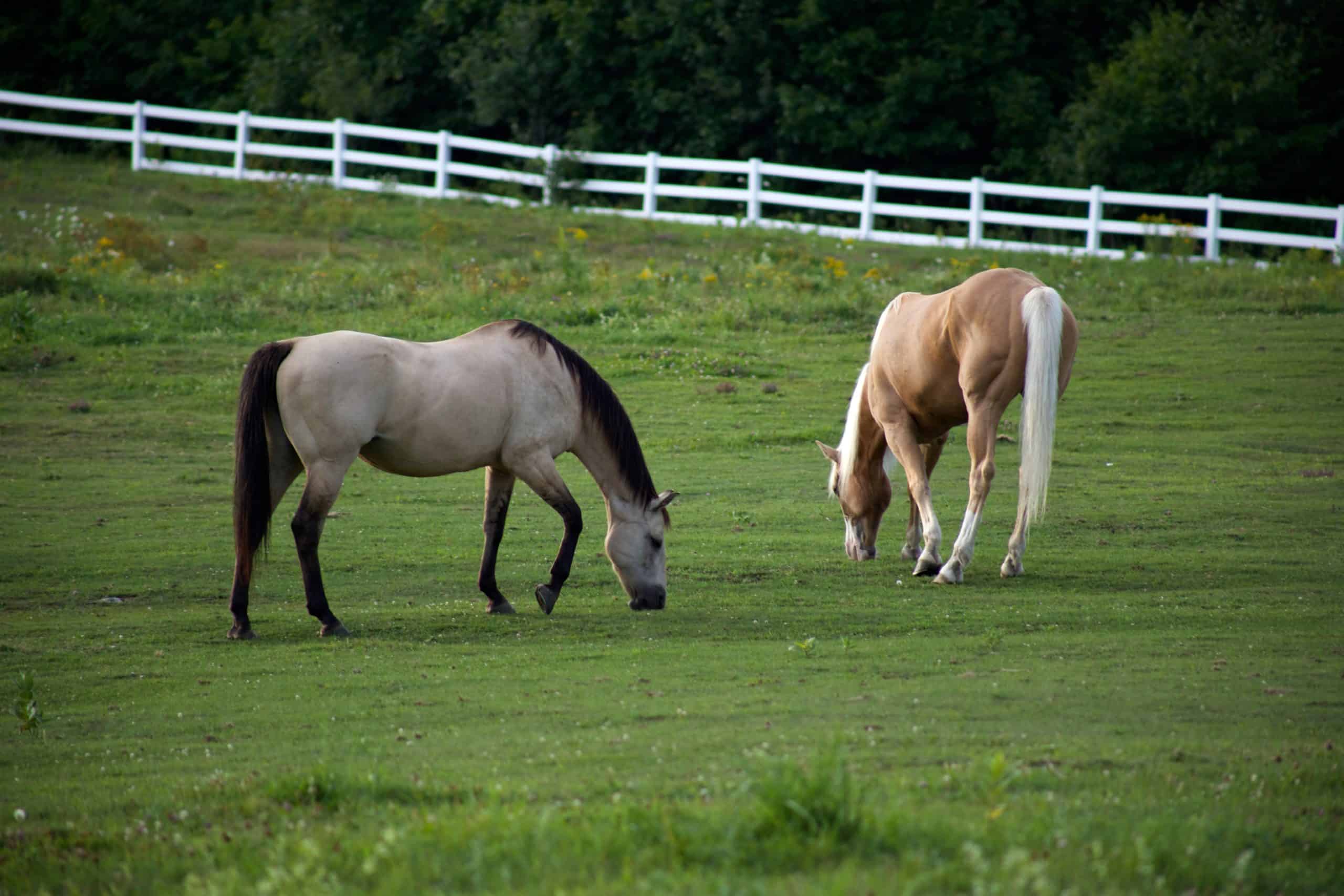
6:55 AM Both kids are fed and sitting down in front of Frozen 2. Finally take the first sip of my coffee and glance outside. The three horses in my paddock are giving me the eye. Ugh.
7:30 AM Hubby wakes up and comes downstairs and I dash outside to feed the horses. Get nickered at and told to move it.
7:40 AM Take another sip of coffee. It’s cold. Ew. Reheat/add more hot coffee and get to work in my office upstairs.
9:23 AM There’s noise outside my office window. The geldings playing with the water trough. Because it’s empty. Guess it’s time for a break. Go outside, run the hose to fill it and turn on the water. Set a timer and go back inside to work.
9:55 AM Take a sip of coffee. Cold. Eww. Wait. Didn’t I set a timer? Nope. It was never saved. Outside the boys are playing with the hose. The trough is empty. There’s water everywhere. Correction: There’s mud everywhere. Run outside to scold the boys and babysit the hose while it fills the water trough. The boys are still playing tag with each other. They clearly have too much energy because they haven’t been ridden due to self-isolation. My calm, peaceful mare watches the boys with disinterest.
11:05 AM Walk back inside the house, again. More coffee. My hubby tells me my desk phone has been ringing. That means a missed call from a customer. Shoot. Run upstairs and listen to the message. Nope. Not a customer. A scammer trying to sell me COVID-19 tests for the whole family. Right.
12:15 PM Feed kids, hubby and myself.
12:35 PM Kids go down for a nap. Hubby heads out to work and feeds horses on his way out.
1:00 PM Nap for me too. Sigh.
1:14 PM My son is making airplane noises in his room. Sigh. Stomp out of my warm bed and sternly whisper at him to sleep already. Crawl back into bed.
1:30 PM Toss and turn in bed. My brain is jumping from work, to strategies about my tack shop and lack of sales, to the horses who need to be trimmed this week, to my son’s upcoming birthday.
2:27 PM A door opens. My son stomps downstairs. Naptime is over. Shuffle out of bed and head downstairs to join him. He grumps at me. I make coffee.
2:45 PM My daughter wakes up happy and smiling. My son grumps at her.
3:00 PM Snack time and then outside. Coffee in a travel mug. The kids are happy to see the horses, yet stay far away. They are very big for little ones. Play outside and clean out the flower beds.
5:00 PM Feed the horses and head inside with the kidlings. Take a sip of coffee. Cold. Give up on it.
7:05 PM Survived making dinner and feeding the little terrors. Bath, book, bed. Then wine time.
8:05 PM Plop down on the couch, too exhausted to get wine. Pass the time on my phone for an hour. Nearly unhook my jaw with a yawn.
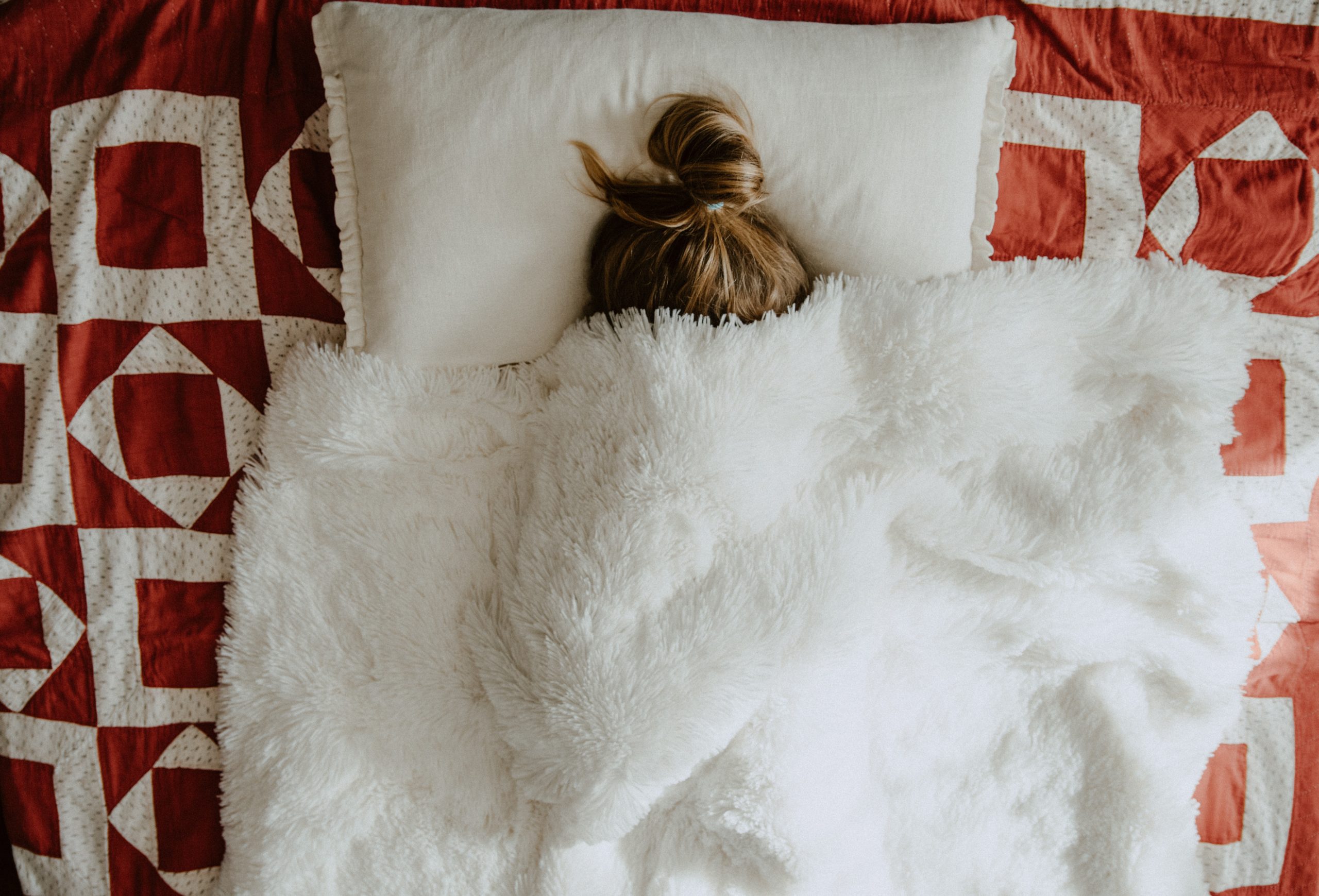
9:12 PM Crawl into bed and settle for the night. Toss and turn. Worry about all those who are sick, those who will get sick, my nurse/pharmacist/doctor friends and their families, worrying about our financial future, my husband who has to go into the office, my kids who don’t understand it all, my horses who aren’t being exercised as usual. Roll over. Worry about the toll this virus will take on all of us. Shift legs. Worry about the muddy paddock.
10:00 PM Get a glass of water. Crawl back into bed. Try a meditation app on my phone but it bugs 8 minutes in. Sleep finally claims me.
10:25 PM Hubby wakes me up as he comes in from feeding the horses. Rollback to sleep.
11:16 PM Hubby wakes me up as he crawls into bed.
2:37 AM My daughter wakes me up for water.
5:05 AM My son wakes me up because he wants his blankets put on him.
6:02 AM Get punched in the face.